Types Of Hurbs spices
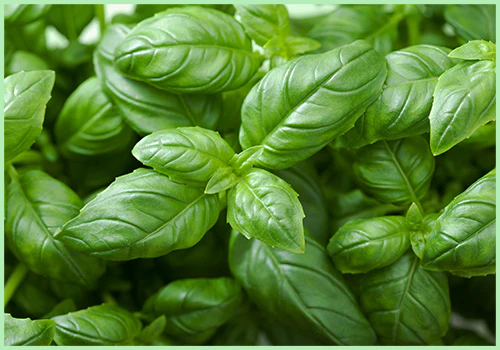
Scientifically referred to as Ocimum basilicum, basil is a highly aromatic herb that is valued for both its culinary and medicinal uses. Part of the mint family, it has a unique flavor profile that is both sweet and peppery and goes well with a variety of foods, but it tastes especially good with Italian food. Fresh basil is frequently used as a garnish for pizza and pasta, as well as in salads and sauces like pesto. Basil is valued for its potential health advantages, such as its anti-inflammatory and antioxidant qualities, even outside of its culinary applications. Because of its antibacterial properties, traditional medicine also uses it. Basil is grown all over the world for its delightful fragrance and adaptability to warm climates.

A popular spice with a distinct flavor and scent, cumin is scientifically known as Cuminum cyminum. Cumin seeds have a small, elongated, ridged appearance and are native to South Asia and the Mediterranean region. In particular, they are a common ingredient in Mexican, Middle Eastern, and Indian cuisines. It is possible to use cumin in both savory and sweet recipes because it adds a warm, earthy flavor with notes of citrus and pepper. Beyond its culinary applications, cumin is prized for its possible health advantages. It offers vital nutrients like iron and antioxidants, is thought to improve immunity, and aid in digestion.
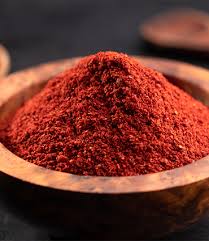
Known for its mild, slightly sweet flavor and rich red color, dried sweet red peppers are the source of the colorful and adaptable spice known as paprika. Although it originated in Central America, paprika is now grown extensively and used in cuisines all over the world. It gives richness and a subtle peppery warmth to a variety of dishes, from soups and stews to marinades and sauces. Sweet, spicy, and smoked paprika are just a few of the varieties available; each has a distinct flavor profile that works well in a range of recipes. Paprika is a common ingredient in kitchens all over the world because, in addition to its culinary uses, it is cherished for its antioxidants and possible health benefits.
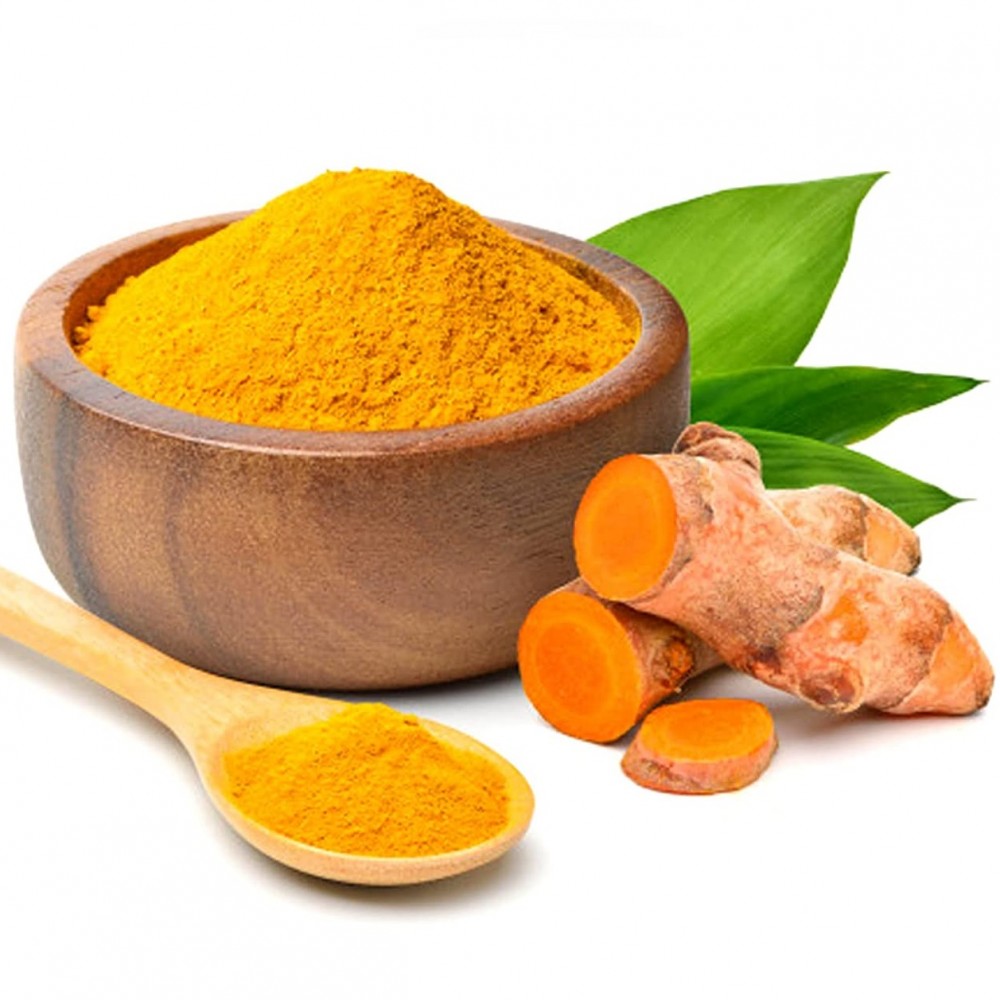
Curcuma longa, the scientific name for turmeric, is a bright yellow-orange spice that is widely used in food preparation and medicine around the world. Turmeric has long been used in traditional medicine due to its strong anti-inflammatory and antioxidant qualities. Its active ingredient, curcumin, is what gives it its health benefits, which include possible anti-cancer properties and support for heart health. Turmeric is used in cooking to give food depth and a unique earthy flavor, especially in Indian and Southeast Asian cuisines. Turmeric is a versatile and highly prized ingredient in the world market. In addition to its culinary applications, it is used in skincare products because of its supposed anti-aging and skin-brightening effects.
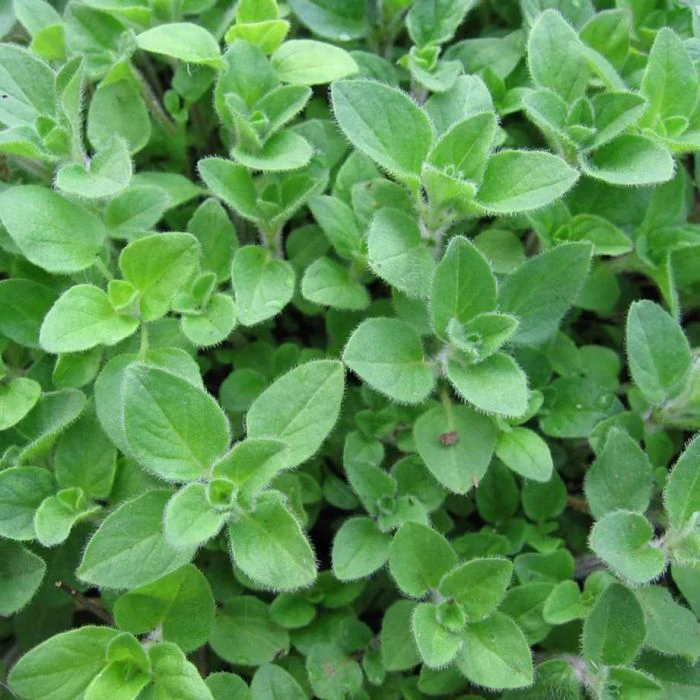
The robust flavor and aromatic qualities of oregano make it a versatile herb that is widely used in Mediterranean and Italian cuisines. It is native to Europe, Asia, and the Mediterranean region and is known by its scientific name, Origanum vulgare. Fresh or dried oregano leaves add a strong, slightly bitter flavor with a hint of sweetness. It adds depth and complexity to a variety of dishes, such as salads, grilled meats, pizzas, and pasta sauces. Oregano is prized for its potential health benefits, which extend beyond its culinary uses. It is thought to have anti-inflammatory, antimicrobial, and antioxidant qualities. Because of its widespread appeal, this herb is a mainstay in both herbal medicine and kitchens worldwide.
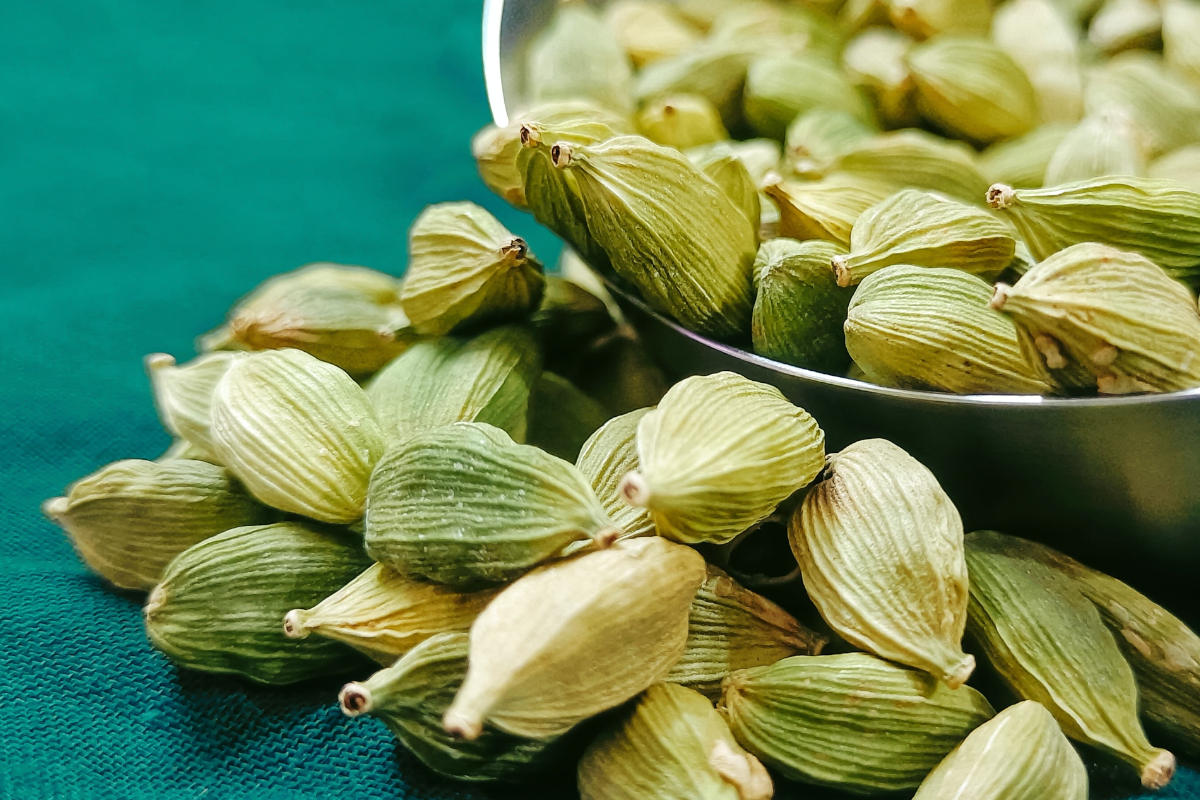
Known as the "Queen of Spices," cardamom is highly valued for its fragrant seeds, which are utilized in international cuisine and medicine. Green and black are the two primary colors available. Indian food, chai tea, and sweet desserts all frequently use green cardamom, which has a fresh, slightly sweet flavor. With its strong, smoky flavor, black cardamom is often used in savory recipes, especially those from Southeast and Indian cuisines. Beyond its culinary applications, cardamom is prized for its aids to digestion and its ability to naturally freshen breath. All across the world, kitchens and herbal medicine cabinets keep it on hand due to its adaptability and unique scent.

A versatile herb valued for its therapeutic qualities and aromatic leaves are thyme. Thyme, which is widely used in culinary traditions worldwide, gives food a unique earthy flavor that is especially noticeable in Mediterranean and European cuisines. Its flavor and antiseptic and antioxidant properties are enhanced by its essential oils, which include thymol. For these reasons, it is often used as an ingredient in natural cough and sore throat remedies. Thyme is prized for its aromatic addition to potpourris and its aesthetic value in gardens, in addition to its culinary uses. Thyme has been used for cooking and wellness purposes for a very long time, and it has a rich history.
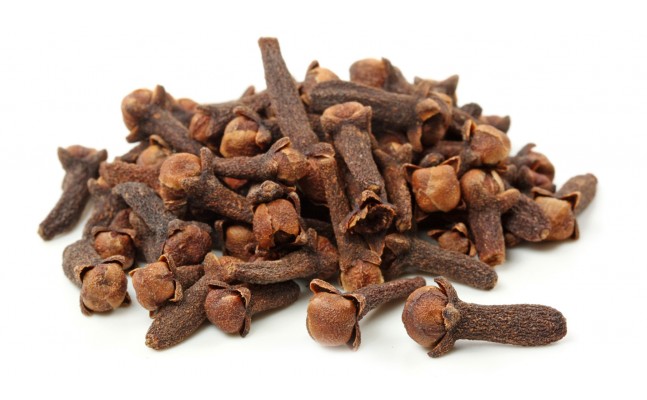
The fragrant flower buds of the Indonesian native clove tree are known as cloves. Cloves are widely used as a spice in Asian, African, and Middle Eastern cuisines due to their potent, aromatic flavor and strong aroma. Cloves have therapeutic benefits outside of cooking; they are well-known for their anti-inflammatory and antioxidant qualities. They are frequently used in conventional medicine to treat digestive problems and toothaches. In addition, cloves are used in cosmetics, perfumes, and even as a natural insect repellent. At ZAD TREFFER, we source premium cloves to guarantee outstanding flavor and quality for both culinary and holistic applications.
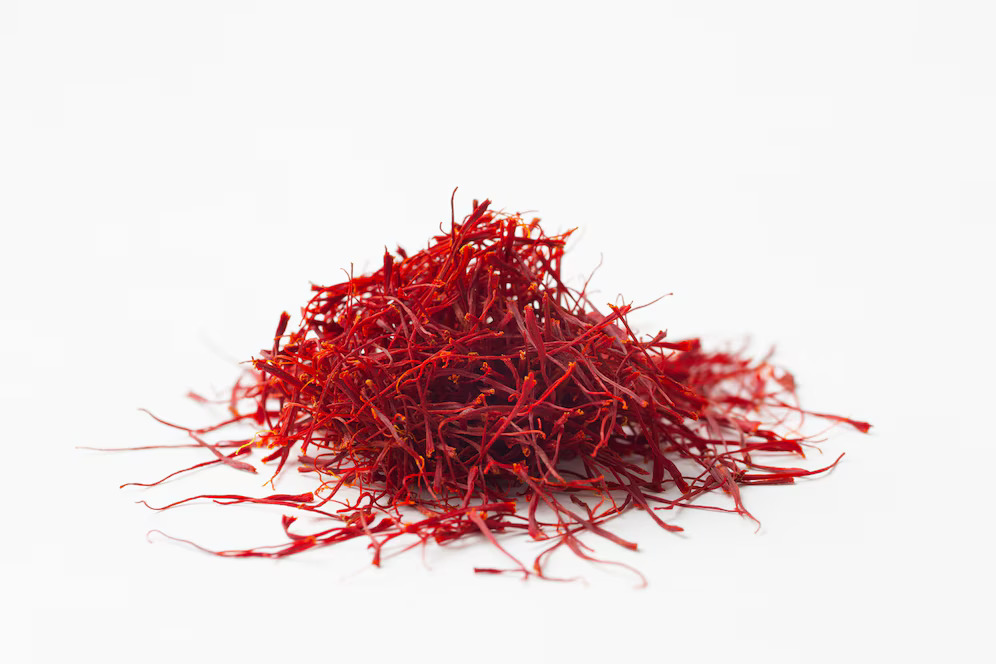
Saffron, also known as the "golden spice," is highly valued for its distinct flavor, vivid color, and plethora of health advantages. One of the most precious spices on the planet, saffron is extracted from the fragile stigmas of the Crocus sativus flower. ZAD TREFFER guarantees that its saffron is of the greatest caliber, carefully selected by hand, and processed to maintain its remarkable qualities. Known for its adaptability in the kitchen, saffron improves the flavor and aroma of many different foods, both savory and sweet. Savory ingredients in both traditional and modern cuisine, saffron is also prized for its anti-inflammatory, mood-enhancing, and antioxidant properties.